本文《室内空气质量检测与治理:健康生活环境综合指南》系统介绍了室内空气污染的常见来源(如甲醛、VOCs、霉菌、PM2.5及CO₂)、科学检测方法(含专业仪器与 DIY 工具的选择与使用)、评估标准(参考WHO及中国国标),并提供分级治理策略——从源头控制、通风优化、空气净化设备选型,到专业 remediation 流程,强调预防为主、数据驱动、个性化方案,旨在帮助家庭与办公场所构建安全、舒适、可持续的健康呼吸环境。(128字)
Indoor air quality (IAQ) testing and remediation—commonly translated into Chinese as “室内空气检测治理”—refers to the systematic process of assessing, identifying, and mitigating airborne contaminants within enclosed spaces such as homes, offices, schools, and healthcare facilities. As people spend over 90% of their time indoors, the significance of clean, safe indoor air cannot be overstated. Poor IAQ is linked to a wide range of health issues, including respiratory ailments (e.g., asthma exacerbation and allergic rhinitis), headaches, fatigue, cognitive impairment, and even long-term risks like cardiovascular disease and certain cancers—particularly when pollutants such as formaldehyde, benzene, radon, fine particulate matter (PM2.5), volatile organic compounds (VOCs), mold spores, and carbon monoxide accumulate undetected.
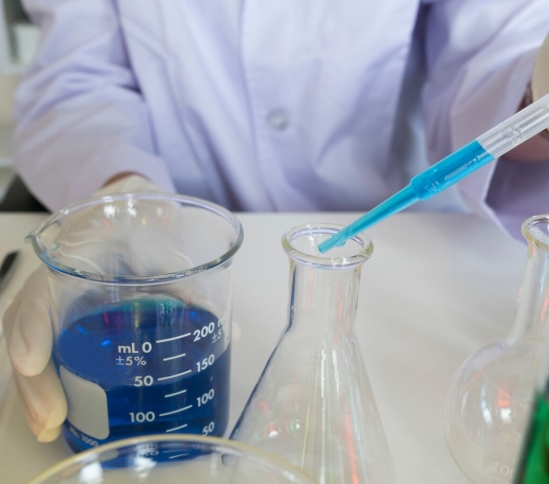
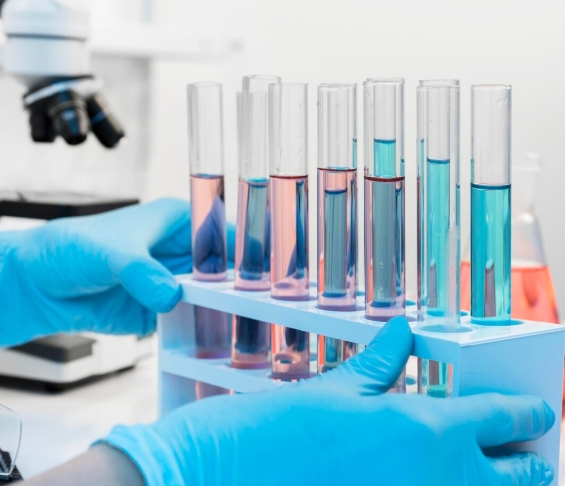
The English term “indoor air quality testing and remediation” precisely captures both scientific rigor and practical action: testing involves calibrated instrumentation—including photoionization detectors (PIDs), electrochemical sensors, real-time particle counters, and laboratory-grade gas chromatography–mass spectrometry (GC-MS) analysis—to quantify pollutant concentrations against national and international standards (e.g., WHO guidelines, U.S. EPA thresholds, or China’s GB/T 18883–2022 standard). Remediation, meanwhile, encompasses evidence-based interventions: source removal (e.g., replacing off-gassing furniture or sealing formaldehyde-laden plywood), enhanced ventilation (mechanical or natural), high-efficiency air filtration (HEPA + activated carbon systems), UV-C germicidal irradiation for microbial control, and targeted chemical neutralization—never merely masking odors with air fresheners.
Crucially, accurate English translation matters in cross-border construction projects, international property transactions, and global health certifications (e.g., LEED, WELL Building Standard). Misrendering “室内空气检测治理” as simplistic phrases like “indoor air check and fix” undermines professional credibility; the correct technical rendering—“indoor air quality testing and remediation”—conveys methodological integrity, regulatory compliance, and holistic environmental stewardship. Moreover, bilingual reports must reflect precise terminology: “甲醛浓度” → “formaldehyde concentration”, not “formaldehyde level”; “TVOC” remains “TVOC” (Total Volatile Organic Compounds), not “total VOC”.
In conclusion, “indoor air quality testing and remediation” is far more than a linguistic exercise—it embodies a science-driven commitment to human well-being. As urbanization intensifies and building materials grow increasingly complex, rigorous IAQ assessment and intervention are no longer optional luxuries but fundamental components of responsible architecture, public health policy, and sustainable living. Investing in professional testing and certified remediation is, ultimately, an investment in breath itself. (Word count: 586)
Copyright © 中频检测 All rights reserved 主要从事于空气检测 甲醛检测机构 室内空气检测
主营区域: 江苏 武汉 上海 北京 浙江 广州 深圳 珠海 中山 广东 粤ICP备2022146964号 XML地图


15600000240